

















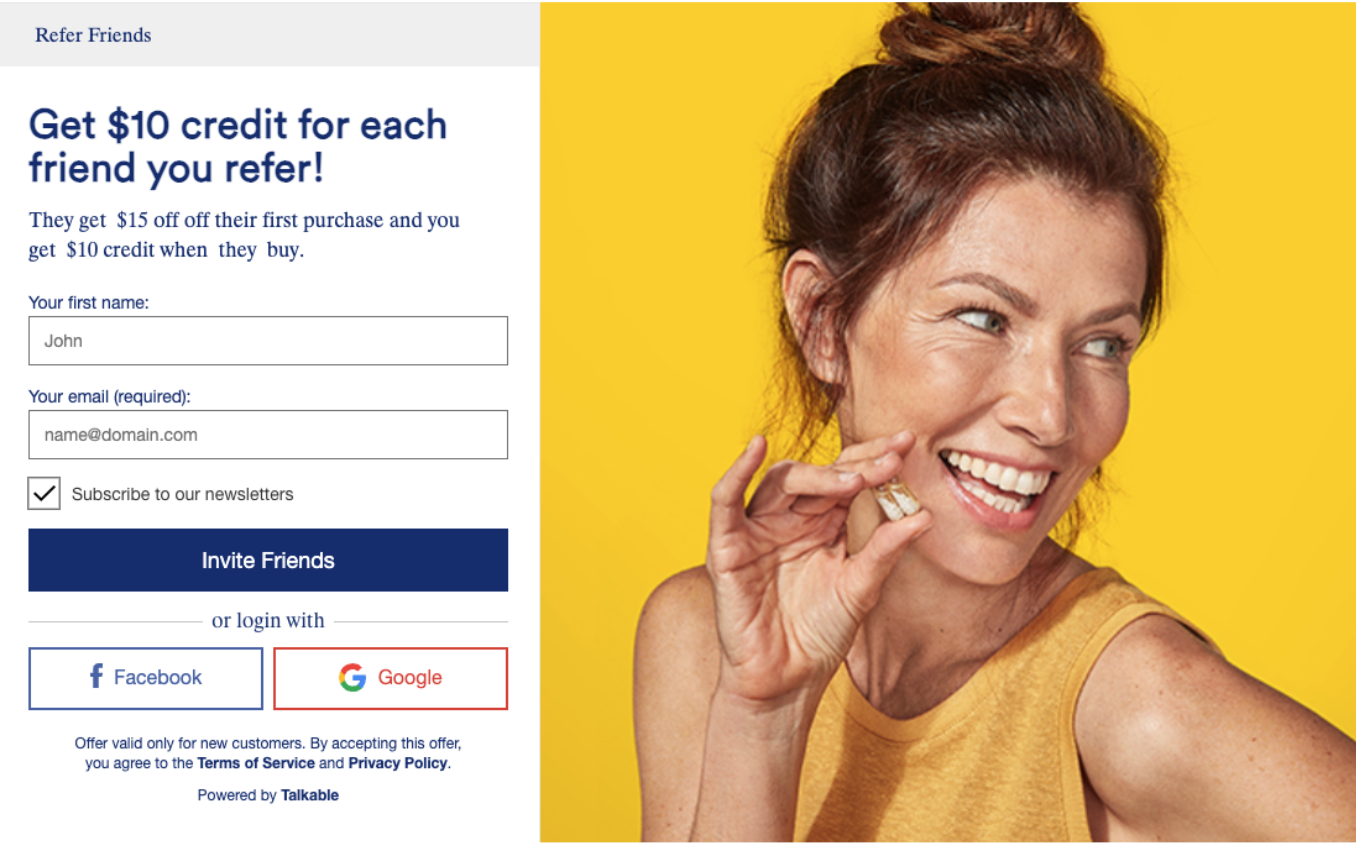
The wellness subscription category is one of the most interesting places to study referral marketing right now. Customers who see real results become genuinely passionate advocates. The products are personal enough that a recommendation from a friend carries more weight than any paid ad. And the subscription model means every referred customer who sticks around compounds the value of that original introduction.
We look at a lot of referral programs. Most are fine. A few are genuinely good. This roundup covers three wellness brands whose programs are worth paying attention to, not because they are flashy, but because they are correctly aligned with what their customers actually care about. If you are building or rebuilding your own referral program, there is something concrete to take from each of these.
Why Wellness Brands Win With Referrals
Health and wellness purchases are fundamentally different from buying a t-shirt or a kitchen gadget. There is a vulnerability involved. People are trying to fix something that bothers them, hair loss, low energy, a supplement routine they can never seem to stick to. When something actually works, they want to tell people. That emotional investment is what makes wellness referral programs so potent when they are built correctly.
“When something actually works, people want to tell someone. That emotional investment is what makes wellness referral programs so potent.”
The programs below succeed for different reasons. Nutrafol wins on timing. Renue by Science wins on economics. Ritual wins on brand fit. Understanding why each one works is more useful than copying any single mechanic. Each brand read their customer correctly and built their reward structure around that understanding.
Nutrafol: The Science-Backed Hair Wellness Pioneer
Hair loss is personal. Customers who see real improvement after months of taking Nutrafol do not need to be talked into referring. They want to share it. The $30 give, $30 get structure is smart because it acknowledges that the referred friend is also taking a meaningful step, trying something that takes 3–6 months to show results. Equal rewards signal that Nutrafol respects the risk both parties are taking.
What makes this program worth studying is the timing. Nutrafol triggers referral asks after visible results have had time to appear, not at checkout. The referral prompt shows up when the customer is already emotionally invested in their own outcome and naturally wants to share that progress. Most brands ask for referrals at purchase, when the customer has no results to talk about yet.
The educational content built around the referral program is also notable. Nutrafol gives advocates the vocabulary to explain the science, why it takes time, what to expect, and how to set realistic expectations with friends. That reduces the friction of having a conversation about hair health, which is not exactly casual small talk for most people.
Renue by Science: The NAD+ Longevity Leader
NAD+ supplements are not cheap. Renue by Science products typically run $40–$80 per month. A flat $20 referral reward would feel underwhelming at that price point. A 15% commission does not. On a $60 purchase, that is $9. On a recurring annual subscription, that compounds into something advocates actually care about. The percentage-based model is the right choice for high-AOV products where a fixed amount reward undersells the value being exchanged.
The hybrid affiliate-referral model is interesting because it attracts a different kind of advocate. The biohacking community that Renue targets contains people who are very online, very opinionated about supplements, and already creating content about longevity. A commission structure gives them a financial reason to integrate Renue into their existing content rather than just mentioning it once in a newsletter. That is a meaningful difference in referral quality and sustained volume.
The tiered rewards for top performers are worth noting. This is where Renue gets smart about retention among advocates. The program gives high-volume referrers something to protect, their tier status. That keeps the program's best performers engaged month after month rather than referring a few friends and going quiet. Our case studies consistently show that tiered ambassador programs outperform flat-reward programs on long-term referral volume.
1000+ ecommerce brands use Talkable to run referral programs that drive measurable revenue. We can show you real benchmarks from brands in your vertical.
Let's TalkRitual: The Transparent Vitamin Innovator
Ritual gives more to the friend than to the advocate. That asymmetry is intentional. It says: we care more about getting you started right than we care about the reward for sharing. For a brand built around transparency and skepticism of the supplement industry, this is the right signal to send. The referral program feels like sharing a discovery with a friend, not a sales pitch.
The mom-to-mom dynamic around prenatal vitamins is genuinely interesting from a referral mechanics standpoint. This is a product category where recommendations happen in highly trusted, highly specific communities. New parent groups, prenatal classes, mom friend networks. Ritual's program fits naturally into those conversations because the brand design is clean and minimal, which matches how these communities communicate about health products. Nobody in a prenatal forum wants to share something that looks like a multilevel marketing pitch. Ritual does not look like that.
The recurring subscription model gives Ritual something most one-time purchase brands do not have: ongoing natural referral moments. Every monthly delivery is another opportunity to ask. The program is set up to take advantage of that cadence rather than treating the referral ask as a one-time post-purchase event. That is good program design and it is something we encourage brands to build into their own programs at Talkable.
Key Takeaways for Your Brand
The common thread across all three programs is alignment. Each reward structure reflects what the brand actually values and what its customers actually care about. That sounds obvious, but most referral programs are built by copying a competitor's structure rather than thinking about the specific trust dynamics in their own category.
Match Your Reward Structure to Your Positioning
Renue uses percentage-based commissions because their premium positioning makes fixed amounts feel cheap. Ritual uses asymmetric fixed rewards because they want the friend to win more than the advocate. These are not arbitrary choices. The reward structure communicates what you believe about the transaction.
Find Your Natural Sharing Moments
Nutrafol waits for visible results. Ritual uses the monthly delivery as a reminder. The best referral asks happen when the customer is emotionally activated, not when it is convenient for your campaign calendar. Build your trigger logic around customer experience milestones, not checkout flow steps. Our referral marketing guide covers how to map these triggers correctly.
Remove the Friction, Then Step Back
All three programs make sharing simple. The copy does not over-explain. The mechanics are clear. The reward calculation does not require a spreadsheet. When you trust your customers to advocate authentically, you do not need to engineer every aspect of the share. Give them the tools and the right moment, then get out of the way.
Be Upfront About How It Works
Health and wellness customers are skeptical of incentivized recommendations. They have been sold supplements that did not work by people getting paid to sell them. Transparency about the reward structure, exactly what each party gets and when, actually increases sharing rates in this category. Hiding the incentive feels dishonest. Being direct about it feels like integrity. These brands get that right.
If you want to see how programs like these translate to your specific category, we have built referral programs for brands across health, beauty, subscription boxes, and specialty food. Talk to our team and we can show you what the mechanics look like for your situation, with real benchmarks from comparable brands.