

















Paid acquisition costs are up. iOS privacy changes gutted attribution for Meta and Google campaigns. And your referral program, the one that's supposed to be the efficient channel, is showing lower numbers than you'd expect given how much genuine word-of-mouth you know is happening around your brand.
The problem isn't that your customers aren't referring. They are. You just can't see most of it.
The referral gap hiding in your data
Think about how people actually recommend products they love. They text a friend. They mention something at dinner. They show their phone to someone in line. They say "you have to try this" while walking through a store. Maybe they post about it in a private group chat that your tracking pixel will never touch.
None of those actions click a referral link. None of them set a cookie. None of them appear in your referral dashboard.
Forrester Research has documented this gap at length: the actual volume of word-of-mouth influence is substantially larger than what businesses can track through conventional digital methods. For many ecommerce brands, more than half of real referral activity never gets captured by link-based tracking. The sales happen, but they get attributed to direct traffic, branded search, or whatever paid campaign someone happened to click on their way to the site.
"If you're measuring referrals by link clicks alone, you're probably giving your paid search campaigns credit for a lot of organic word-of-mouth conversions."
TalkableThat's not a data problem you can solve by adding more UTM parameters. The tracking mechanism itself has a fundamental gap: it only works when referred customers use the exact entry point your system expects.
What Talkable Wallet actually captures
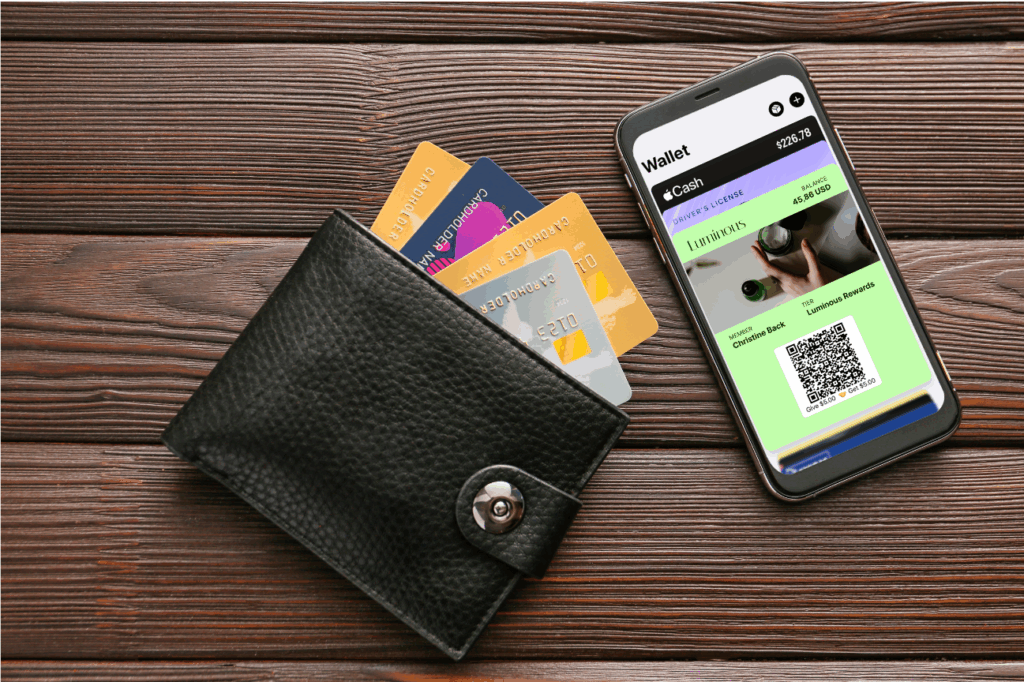
Talkable Wallet changes the tracking mechanism from a link to a persistent pass that lives on the customer's phone. When someone is identified as a potential referral target, they get a wallet pass that goes into Apple Wallet or Google Wallet. It sits alongside their boarding passes, loyalty cards, and transit passes. It doesn't expire when a browser cookie clears. It persists across devices and channels.
When that person eventually buys, the system connects the purchase to the referral relationship regardless of how they got to checkout. No code entry. No link required. The attribution just works.
In-person sharing
A customer mentions your brand to a friend at brunch and pulls up the wallet pass to show them. The friend takes a photo or scans it. Two weeks later, when the friend orders online, the pass creates the attribution link. This is a referral that would have been completely invisible to link-based tracking, now captured and credited.
Cross-device and cross-channel attribution
A referred customer browses on their phone, deliberates for a few days, then orders on their laptop at work. Standard cookie-based attribution frequently breaks in this scenario. The wallet pass persists across that gap because it's tied to the person, not the device session.
Long-tail referrals
Someone hears about your brand in January, isn't ready to buy yet, and finally orders in March. A 30-day cookie window drops that referral entirely. A wallet pass doesn't have an expiration problem in the same way; the relationship between referrer and referred customer stays intact until the purchase happens.
In-store conversions
For brands with physical retail, this is particularly relevant. A friend recommends your store, the referred customer walks in and buys in person. Digital referral tracking has always been blind to these. Wallet passes, which can be scanned at point of sale, can bridge that gap for the first time.
What this does to your acquisition math
When you start capturing referrals that were previously invisible, your numbers shift. Usually in the direction you'd hope.
Referral program ROI improves because you're attributing conversions that were happening all along but getting credited to other channels. Some brands find their referral-driven revenue was significantly higher than their dashboard showed, which directly affects how they allocate budget. If your referral channel is outperforming paid acquisition by a larger margin than you thought, the math on where to spend next quarter changes.
Your read on individual customers changes too. Someone who looked like a passive one-time referrer might actually have several invisible referrals to their name. When you can see that, you can reward and activate them appropriately, rather than treating them like someone who barely engaged with your program.
"Some brands discover advocates who referred multiple people but never appeared in their data at all. Those customers were your most valuable channel all along."
Talkable1000+ ecommerce brands use Talkable to run referral programs that drive measurable revenue. We can show you real benchmarks from brands in your vertical.
Let's TalkThree things to do in the first 90 days
1. Run a referral baseline audit
Before enabling wallet attribution, document exactly what your referral channel looks like today: link click rate, conversion rate from referred traffic, and total credited referral volume by month. This becomes your baseline. When wallet attribution is running, you'll be able to see clearly how much additional referral activity was happening that you weren't seeing.
2. Build advocate tiers from wallet data
Once wallet attribution is live, you'll start identifying customers who refer through multiple channels, both via shared links and via in-person or informal word-of-mouth. These dual-channel advocates tend to have significantly higher lifetime value than single-channel referrers. Building a dedicated reward tier for them, with higher-value incentives, usually pays back quickly.
3. Test geo-triggered notifications
Wallet passes support location-based push notifications through Apple and Google's native systems. If a referred customer with an active pass enters the vicinity of your retail location or a competitor's store, you can trigger a timely reminder. Most brands running wallet programs don't use this feature. The ones that do report meaningful in-store lift from referred customers who were already in the consideration phase.
Connecting wallet attribution to your referral program
The full picture comes together when wallet attribution data is connected to Talkable's referral program infrastructure. That's when you can see, in one view, which advocates drove conversions through shared links and which drove them through in-person word-of-mouth that only a wallet pass could capture.
That unified view changes what you optimize. Instead of optimizing for link shares, you can optimize for advocate activation, total referral volume across all channels, and lifetime value of customers acquired through referral. Those are more meaningful numbers than link clicks, and they're only possible when your attribution covers the full scope of how your customers actually talk about you.
The referrals were always happening. Most brands just weren't counting them.
Want to see what wallet-based attribution would look like for your program? Book a 30-minute call. We'll pull benchmarks from brands in your category and show you what the gap typically looks like before and after.