


















Growing revenue comes down to two levers: get existing customers to spend more, or bring in new ones. Referral marketing does both — but its real advantage is the quality of customers it generates.
Referral marketing is customer generation, not lead generation
Referral programs are often lumped in with lead generation. They're different. Lead generation gives you contacts that take time and budget to convert. Referral programs give you customers — people who already trust your brand because someone they trust told them to.
Nielsen data shows referral marketing is the most trusted advertising channel, with 84% of people saying they trust personal recommendations over any other source.
In examining 52 weeks of customer referral data, NYU Stern Professors Mazime Cohen and Anindya Ghose found that customer experience directly drives referral quality. Better customer experiences produce better referrals.
"The probability of a customer making a referral in a given week decreases with the experience level, increases with the current usage intensity, and decreases with the length of the inactivity period." — NYU Stern research
Why referred customers outperform every other acquisition channel
1. They churn less
Retention is the foundation of subscription growth. A Wharton School study found that rewarded referrals had 18% lower churn than other customer types. Referred customer retention was also more durable over time — after 33 months, referred customers had an 82% probability of still being active.
A separate State of Referral Marketing survey found that 78% of respondents said referred customers are more loyal than customers from any other channel.
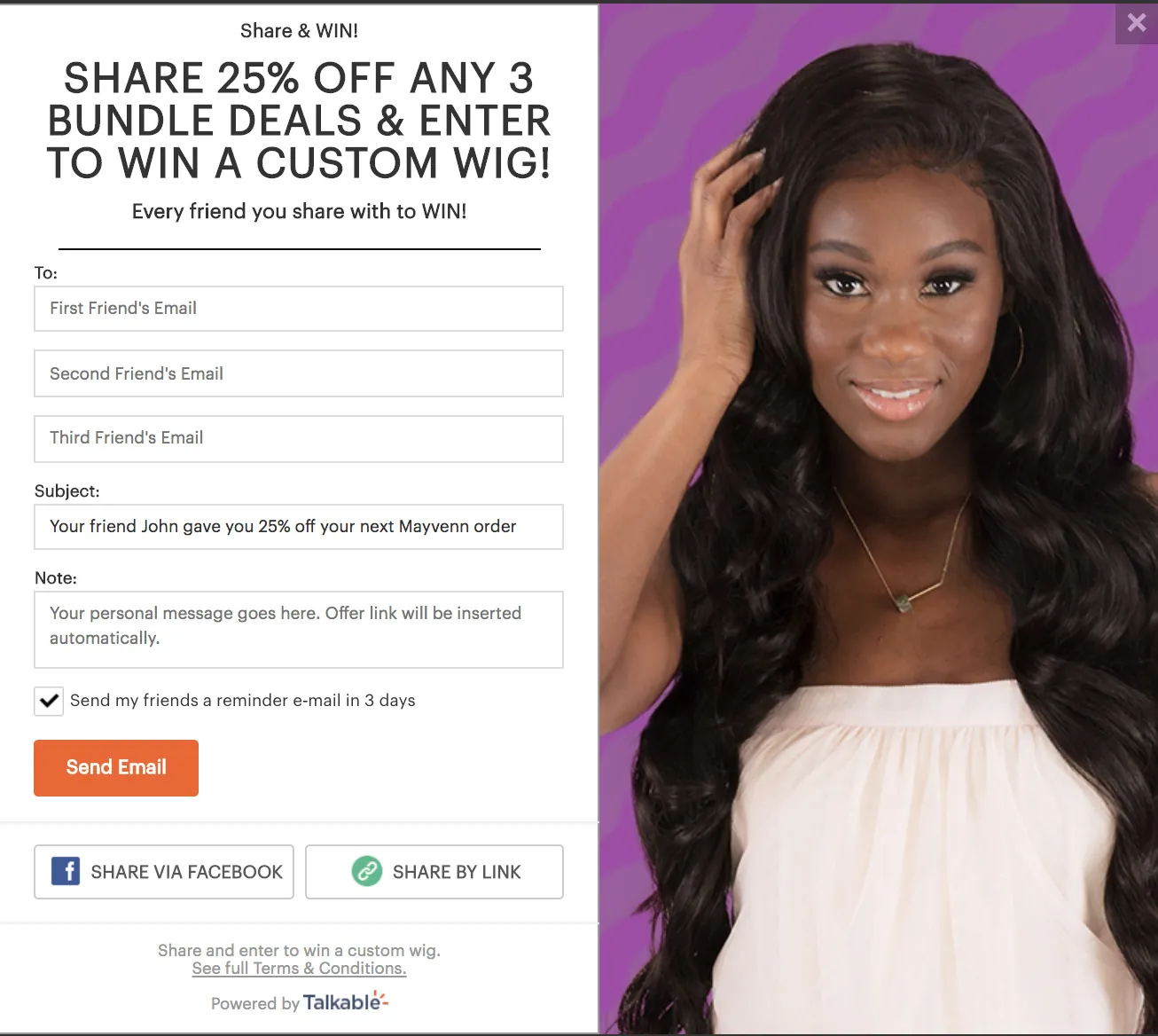
After 33 months, referred customers had an 82% probability of still being active. That retention advantage compounds — it's not just lower churn, it's lower churn sustained over years. — Wharton School referral program study
2. They cost less to acquire
CAC is how much it costs to get a new customer. Paid channels charge per impression, click, or conversion — costs that compound as you scale. Referral programs have fixed costs: platform fees, reward budget, and team time.
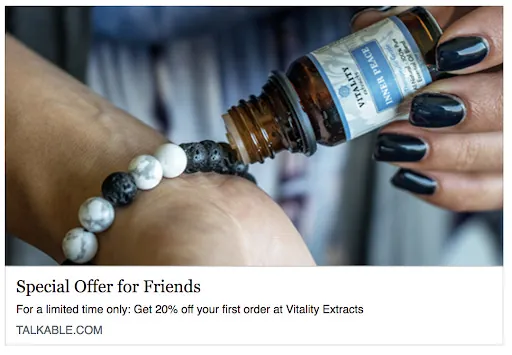
Here's how the math works: a referral platform costs $2,500/month. Month one generates 100 referred customers — CAC is $25. Month two you optimize and generate 500 — CAC drops to $5. The platform cost stays flat; performance improves. That's a structural advantage paid advertising can't replicate.
With Talkable, you also have the option to work with the Customer Success team to run and optimize campaigns on your behalf. Browse case studies from brands that have used referral to bring CAC down substantially.
3. They spend more over time
Referred customers have a 16% higher lifetime value than non-referred customers. The reason is straightforward: when your customers refer someone, they're thinking about which of their friends will actually like your product. That self-selection produces better-matched customers with higher engagement and more repeat purchases.
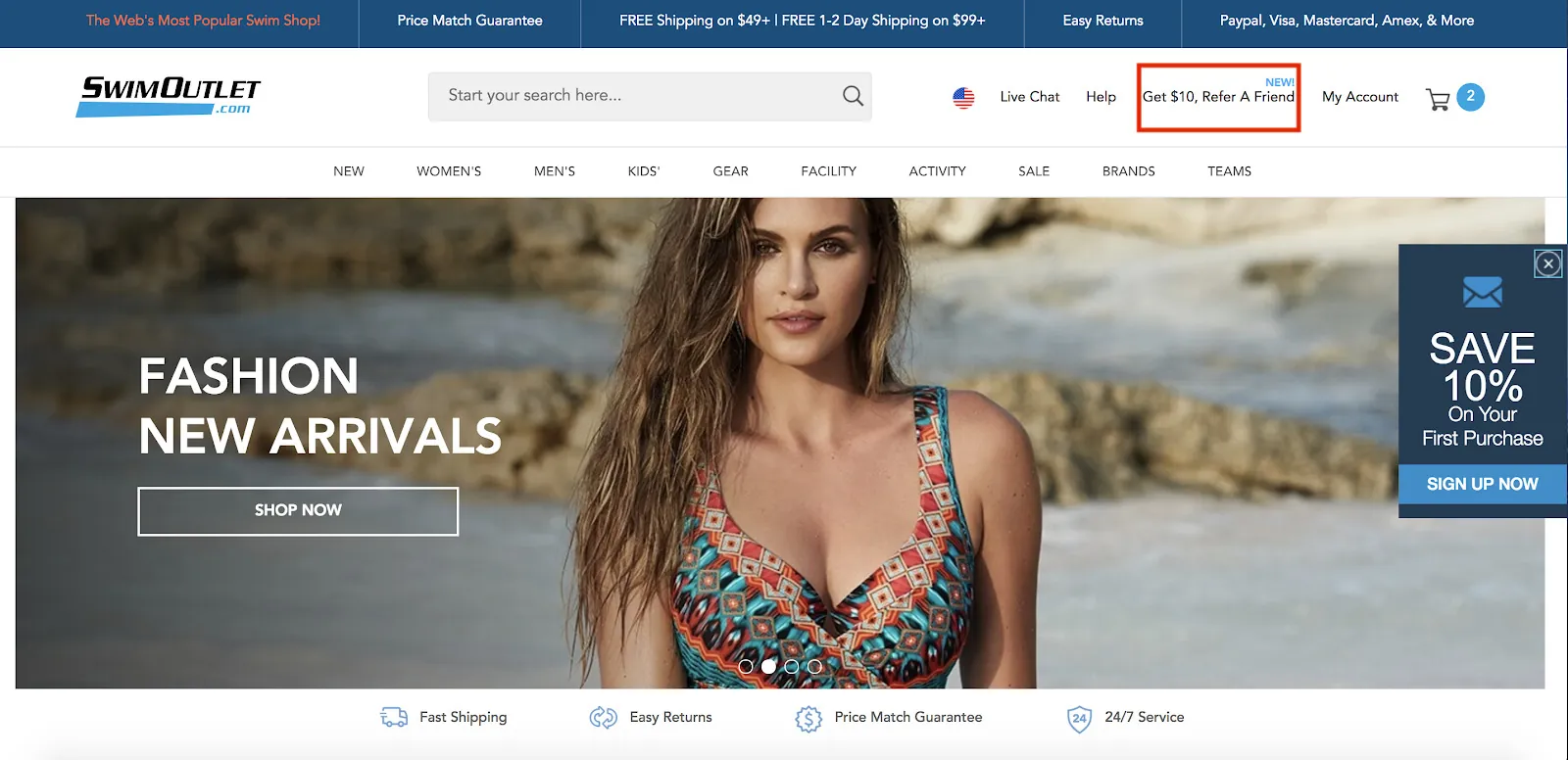
Referral marketing works because your current customers are vetting your future customers. The result is a better match between brand and buyer — which is why the lifetime value gap is real and persistent.
Only about 30% of companies run referral programs. That means most competitors are leaving this channel alone, which is a real growth advantage for subscription businesses that move first. See how Talkable's referral platform works, or explore Wallet pass delivery to make reward redemption frictionless on mobile. If you want to see what results look like in practice, browse the case studies.