

















Referred customers stick around. The average lifetime value of a referred customer is at least 16% higher than a non-referred customer with similar demographics and acquisition timing. That's not a small gap.
But referral marketing only works when it's set up properly. Here are 9 steps that actually make the difference.
1000+ ecommerce brands use Talkable to run referral programs that drive measurable revenue. We can show you real benchmarks from brands in your vertical.
Let's TalkSet Your Marketing Goals
Before you build anything, get clear on what you're trying to accomplish. Do you want new customers? More revenue? Lower CPA? A bigger email list?
Your goal shapes everything: campaign placement, offer structure, sharing channels. If you're an online clothing retailer focused on customer acquisition, referred customers spend 25% more on their first purchase. And 75% of referred customers opt into email lists. Know your goal first, then build toward it.
Referred customers spend 25% more on their first purchase and are 16% more valuable over their lifetime. The math on referral programs is hard to ignore.
Select your target audience
Who are you targeting — paying customers, or people who haven't bought yet but are brand advocates? The answer changes how you message the campaign and where you run it.
Once you know your audience, figure out how they share. Email referrals to a specific friend tend to perform better than social blasts — more personal, less fraud risk.
Determine your incentive types
Ask one question: what would actually get your customers to refer a friend? The answer varies by audience. A $10 credit means a lot to a frequent buyer; it does nothing for someone who shops once a year.
Whatever you offer, make sure it's financially sustainable. We've found that double-sided rewards — giving something to both the advocate and the friend — outperform single-sided offers. Advocates are much less likely to share when the friend gets nothing.
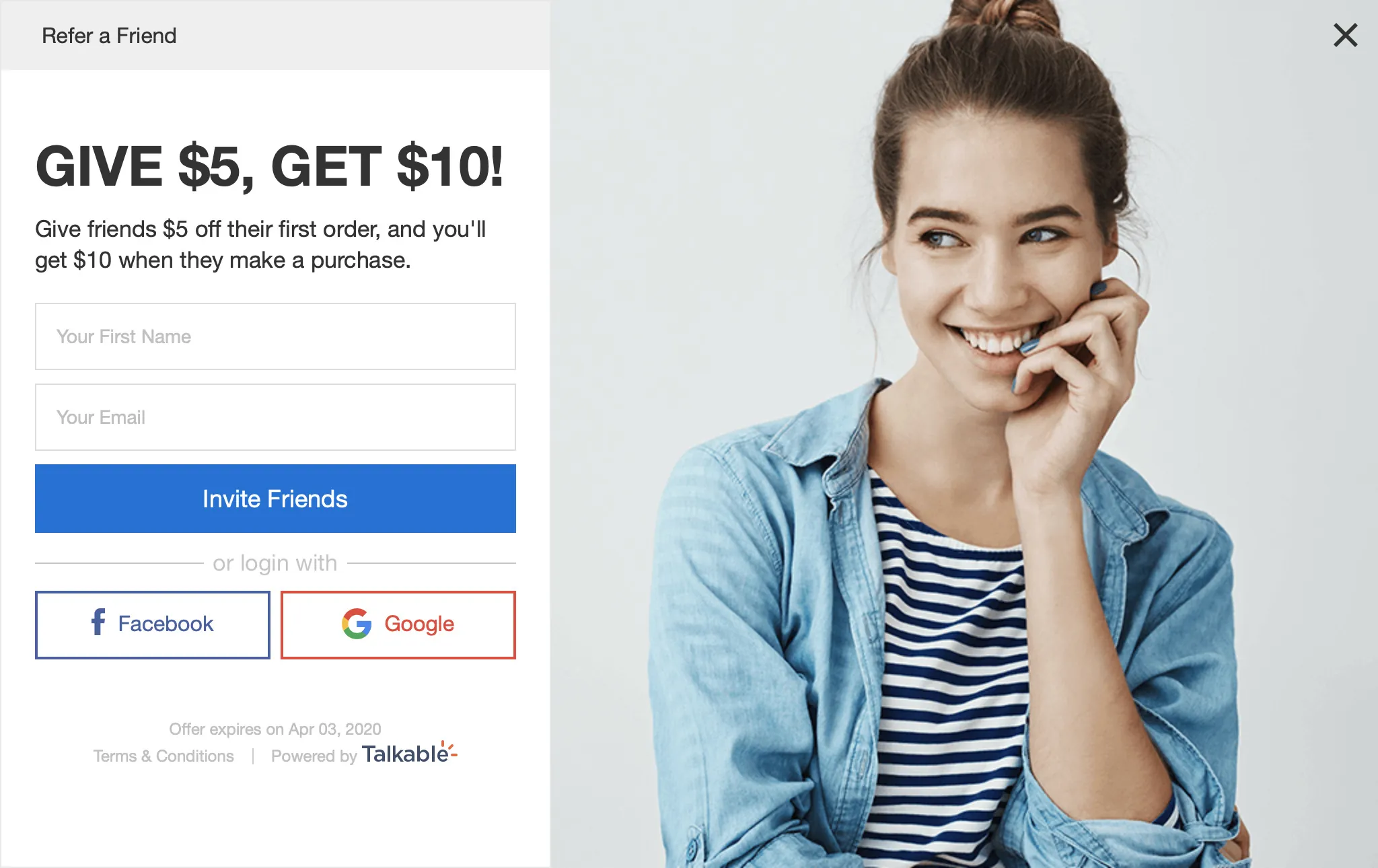
An example of a double-sided reward campaign
Non-cash rewards can work just as well. The University of Chicago found that non-cash incentives are 24% more effective at improving performance than cash equivalents. Five reward types worth testing:
- Percentage discount
- Dollar amount off (cashback)
- Free merchandise
- Gift cards
- Loyalty points
A/B test your offers
Can't decide between reward types? Test them. A/B testing your offers is the fastest way to learn what your audience actually responds to — no guesswork required.
You can also test the layout of the sharing page. Talkable data shows that including the advocate reward in the CTA (like "Get $10") consistently improves sign-up rates. A copy test on the sharing page alone can move the sharing rate 15–20%.
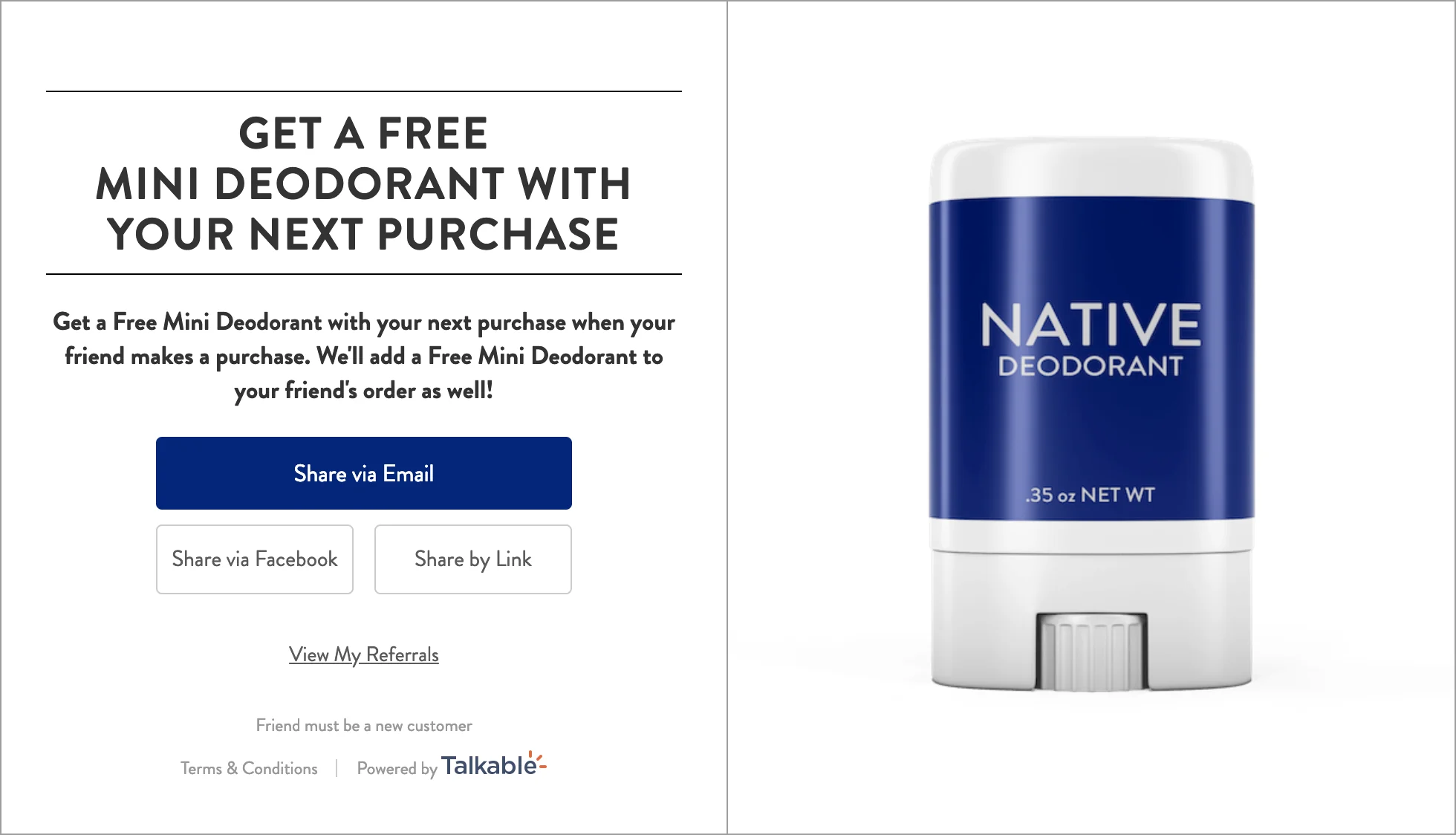
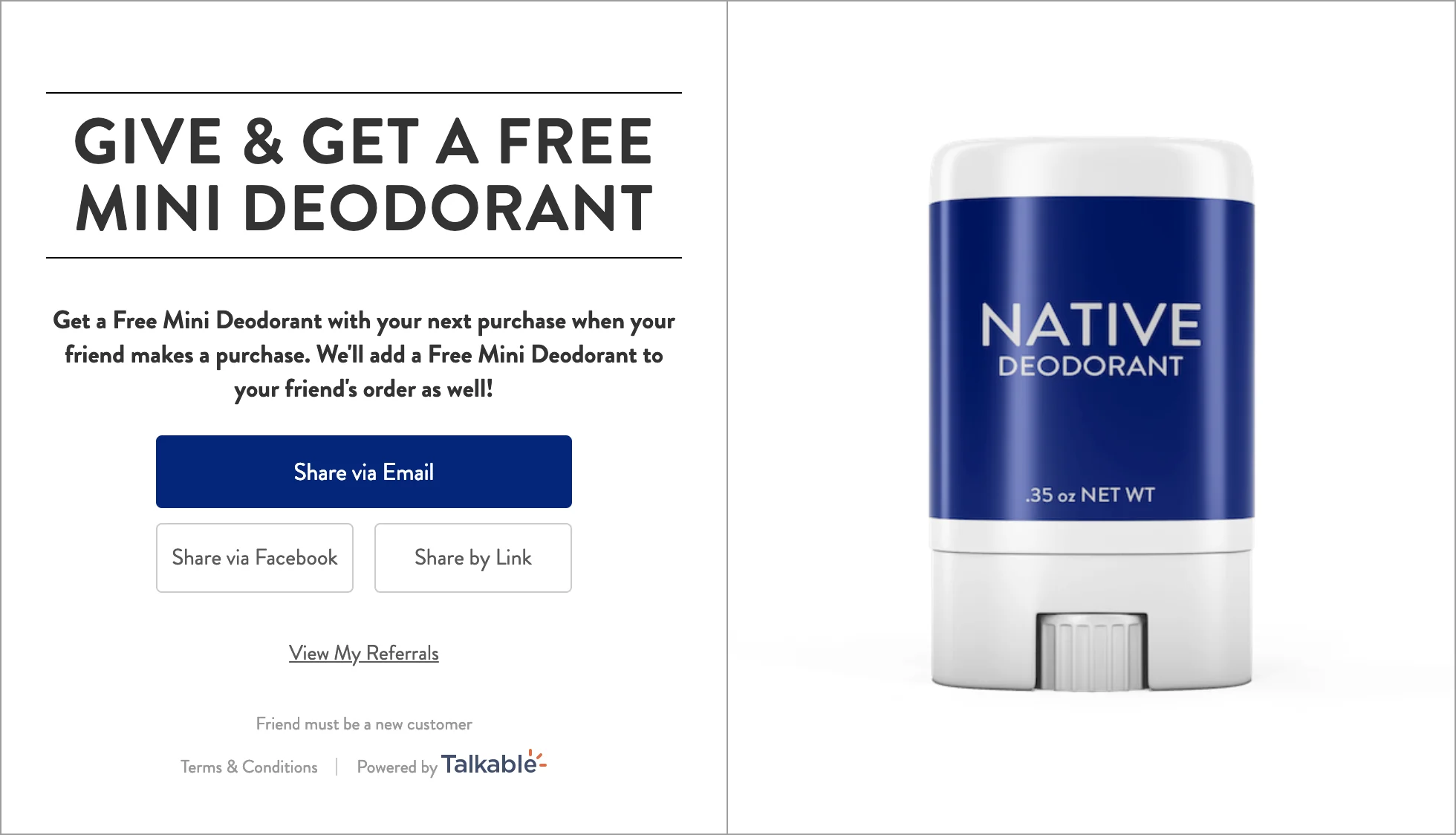
A copy A/B test on the sharing page can produce a 15–20% lift in sharing rate
Define campaign placements
Where your campaign appears matters as much as what it offers. A floating widget — the small persistent CTA in the corner of your site — can drive 40–70% of referral sales on its own. A gleam bar helps convert advocates and friends who already have a reward sitting unused.
A floating widget placement alone can account for 40–70% of all referral sales. The more surfaces your campaign occupies, the more chances customers have to see and share it.
Talkable's referral platform supports six placement types:
- Floating Widget — persistent CTA in the corner of your site
- Post Purchase — a pop-up shown right after checkout
- Standalone — a dedicated URL you can drive traffic to directly
- Gleam — a fixed bar reminding customers they have a reward waiting
- Leaderboard — ranks advocates by referrals, adding a competitive element
- Tiered Rewards — escalating rewards the more friends an advocate refers
Promote your program
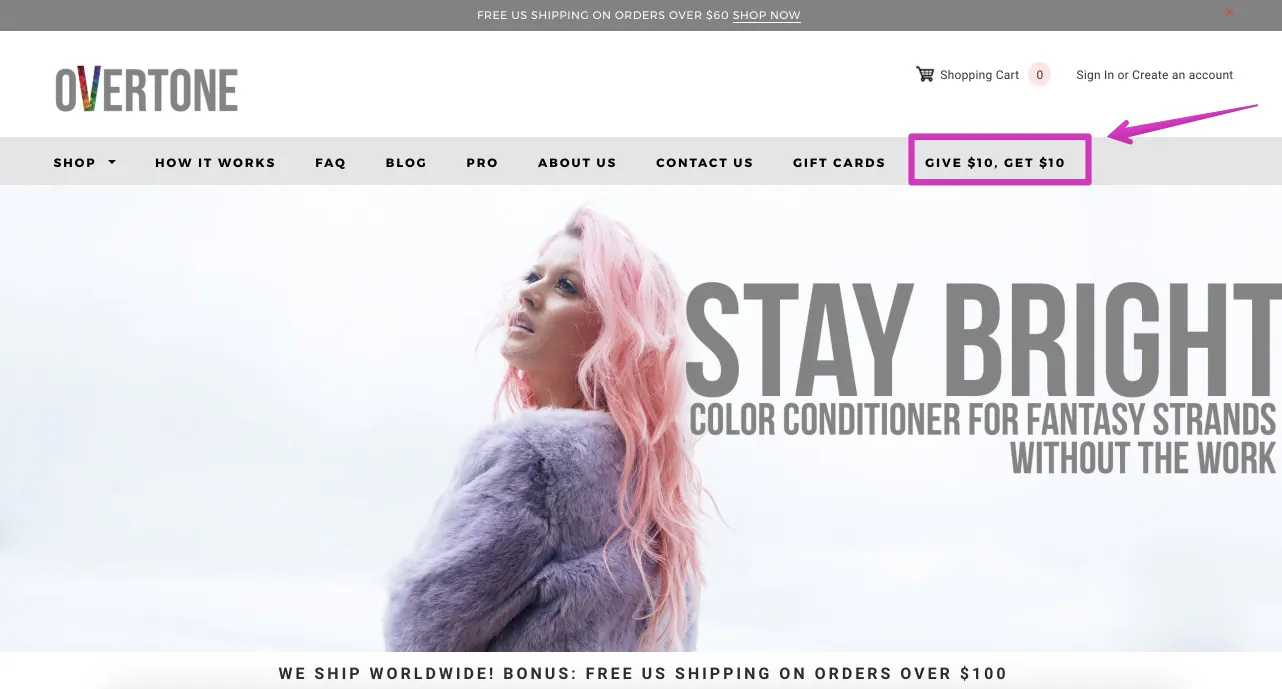
A referral program no one knows about is just an unused feature. Get it in front of customers on every owned channel: email, social, site header, navigation, product pages, footer. More campaign placements produce better results for 85% of customers.
Don't overlook transactional and lifecycle emails either. A post-purchase email mentioning the referral program reaches customers at their most satisfied moment.
Deter fraudsters
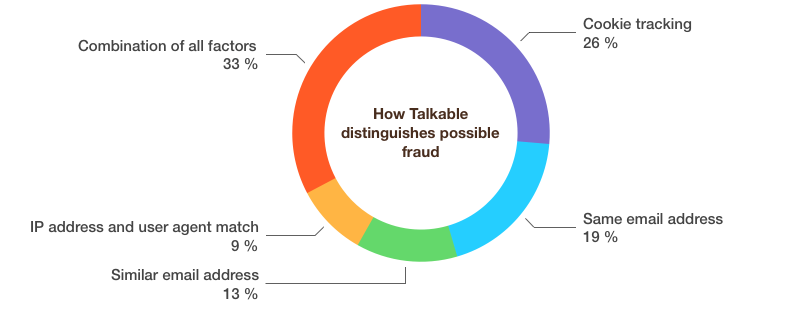
Wherever there's an incentive, someone will try to game it. Self-referrals and duplicate accounts are the most common forms of referral fraud. Your software provider should have tools to catch both.
Cookie tracking flags users who try to use the same referral link from the same browser. Email matching catches attempts with minor variations on the same address. Talkable's fraud prevention engine lets you configure your own rules rather than relying on a generic blocklist.
Pair your referral program with influencers
Your top referrers are worth more than you might realize. On average, the top 10 advocates in a referral program drive 10–25% of all referral sales. They're already evangelists — give them more reason to stay engaged.
Loyalty tools like points, levels, and leaderboards keep them invested. VIP access, early product launches, and birthday perks make them feel like insiders. Check out our case studies to see how brands have combined referral and loyalty to good effect.
Your top 10 advocates generate 10–25% of all referral revenue on average. Treating them like VIPs is a growth strategy, not just a nice touch.
Track metrics
Run your referral program with the same rigor as any paid channel. Track what's working and adjust while the campaign is live. Key metrics to watch:
- Advocate impressions — how many advocates are sharing over a given period
- Share rate — what percentage of advocates actually share
- Clicks per offer — how many recipients click through to your referral page
- Visit rate — how many referred friends land on your page
- Conversion rate — how many referred visitors become paying customers (25% is a typical benchmark)
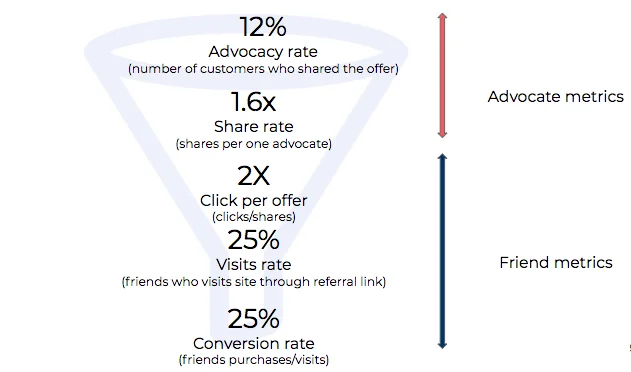
These metrics tell you where the program is leaking. Low share rate? Your offer or placement may need adjusting. Low visit rate? The friend email might not be compelling enough. Fix one thing at a time, then remeasure.
You can also use Talkable Wallet to deliver rewards through Apple and Google Wallet — making redemption frictionless and keeping your brand visible in customers' day-to-day.
Follow these 9 steps when setting up your referral campaign. If you need a hand with any of it — we're here.